
The Creator Journey · Feature
The Champions of a Different Race
In Iten, the town that taught the world to run, a new generation is learning to create.
You come to Iten for the running. Everyone does. The town sits 2,400 metres up on the lip of the Kerio Valley and for decades it has turned out the athletes who win marathons in Berlin, Boston and Tokyo. The sign at the edge of town still says it plainly: Home of Champions.
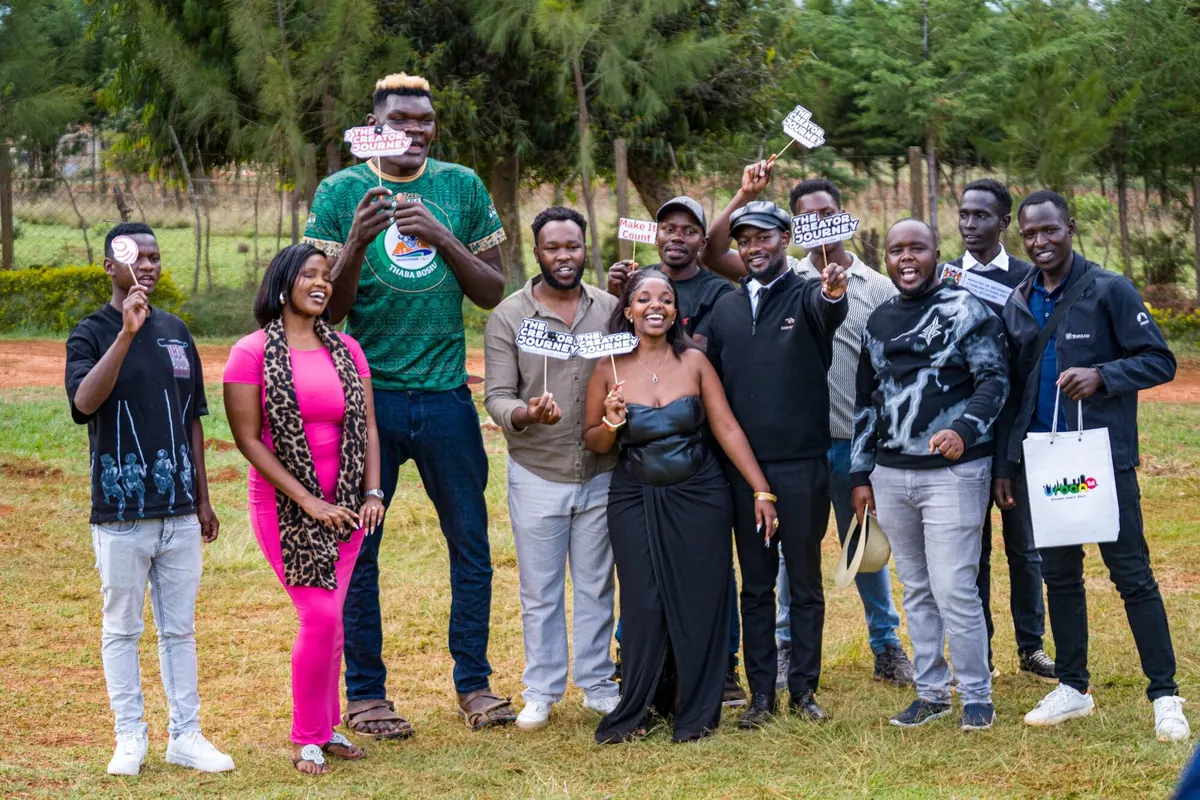
On the morning of 17 October 2026, under the pines outside KMTC Iten, the champions in question looked different. A tall young man with a shock of bleached hair held a cardboard sign that read The Creator Journey. Beside him, a woman in fuchsia and leopard print laughed at something off-camera. A man in a leather newsboy cap raised his own sign like a torch. Nobody was stretching their hamstrings. Everybody was checking their angles.
This is the new race in Kenya and it is being run on phones.
The hall
Inside, the hall is the kind every Kenyan knows: a corrugated-iron roof on steel trusses, tall windows framed in yellow, plastic chairs in long rows. By mid-morning every chair was taken and then the walls were taken too. 263 people came. 173 had registered online. Ninety more simply turned up, because word had travelled through Iten that something worth hearing was happening at KMTC.
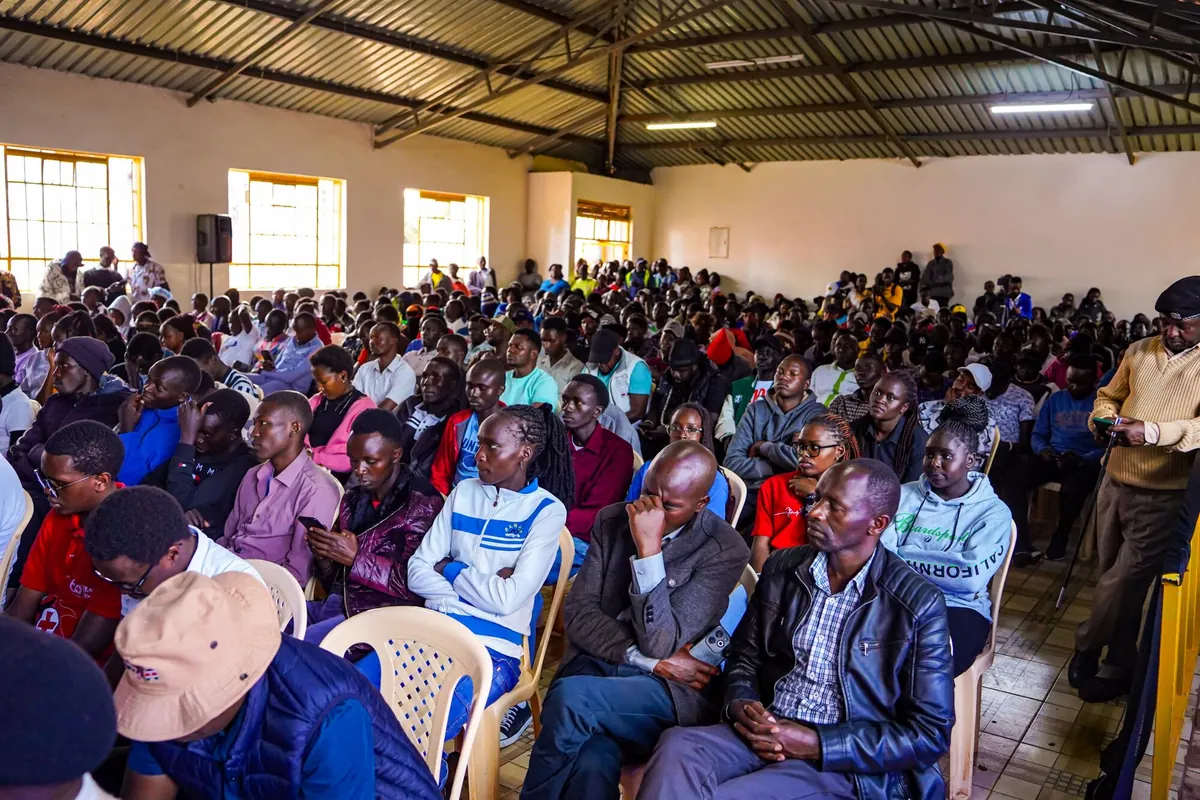
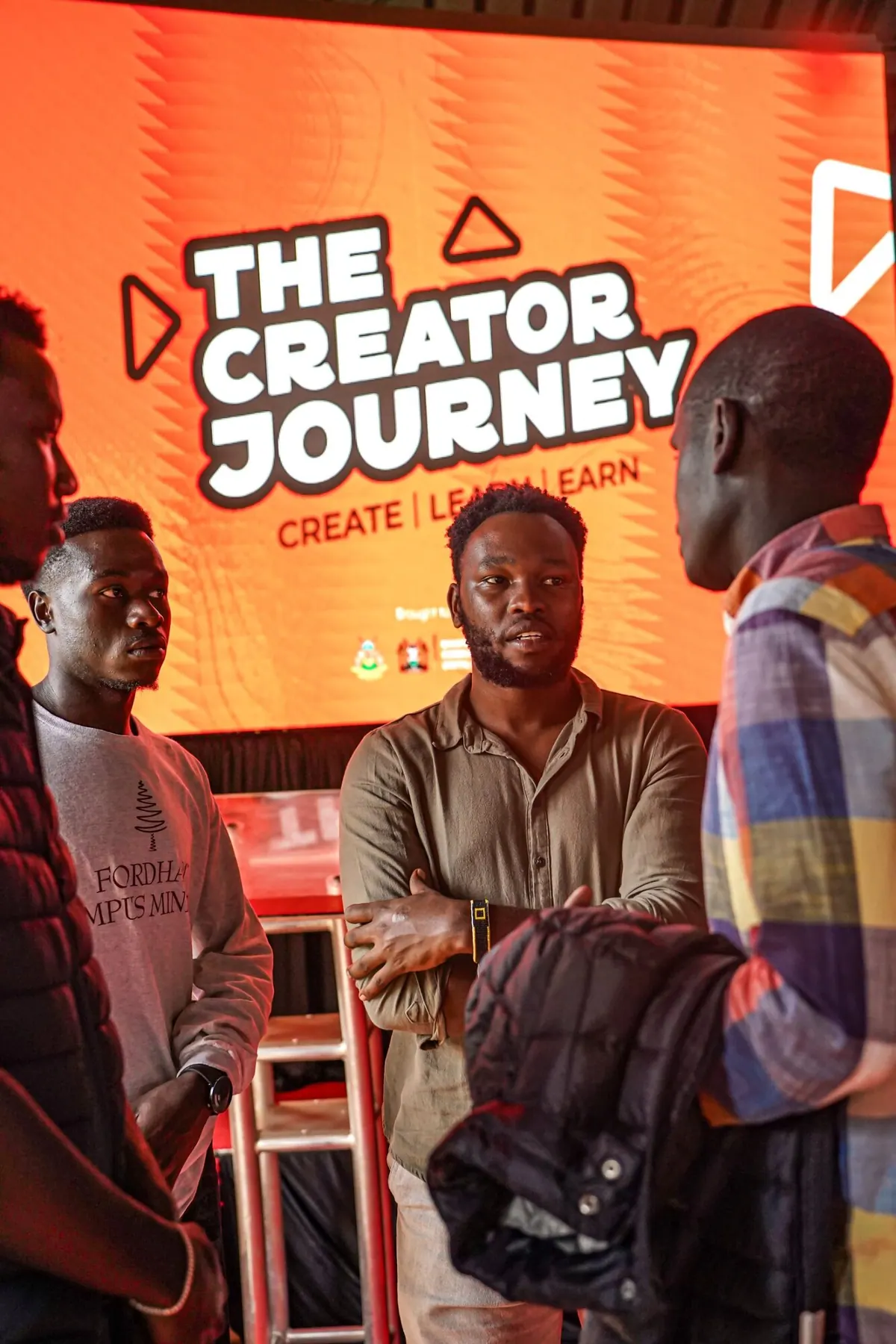
They were students, aspiring filmmakers, comedians-in-waiting, beauty creators and a few elders who wanted to know what all this fuss about “content” was. They came for The Creator Journey, a programme by Make It Count Digital with the Ministry of Information, Communications and the Digital Economy. Its promise is printed on everything: Create. Learn. Earn.
A red carpet ran up to the stage. For one day, at least, the creators of the North Rift were the ones walking it.
The governor and the cable
Policy speeches are not usually the part of an event anyone remembers. This one was different.
H.E. Wisley Rotich, Governor of Elgeyo Marakwet and an economist by training, stood up and talked about opportunity cost, the textbook idea that every choice means giving something else up. Then he made his choice in public. Companies laying fibre-optic cable through his county would no longer pay wayleave charges.
“You don’t pay a single cent for laying fibre internet across Elgeyo Marakwet County,” he said. “What will that mean? It will mean that a five-hundred-billion-dollar economy is accessible to every young person in Elgeyo Marakwet.”
He went further: ICT labs in vocational training centres in every one of the county’s 20 wards. And then he gave the young people in front of him something to carry home that had nothing to do with cable.
“You are the CEO of your life. You are the CEO of your family.”
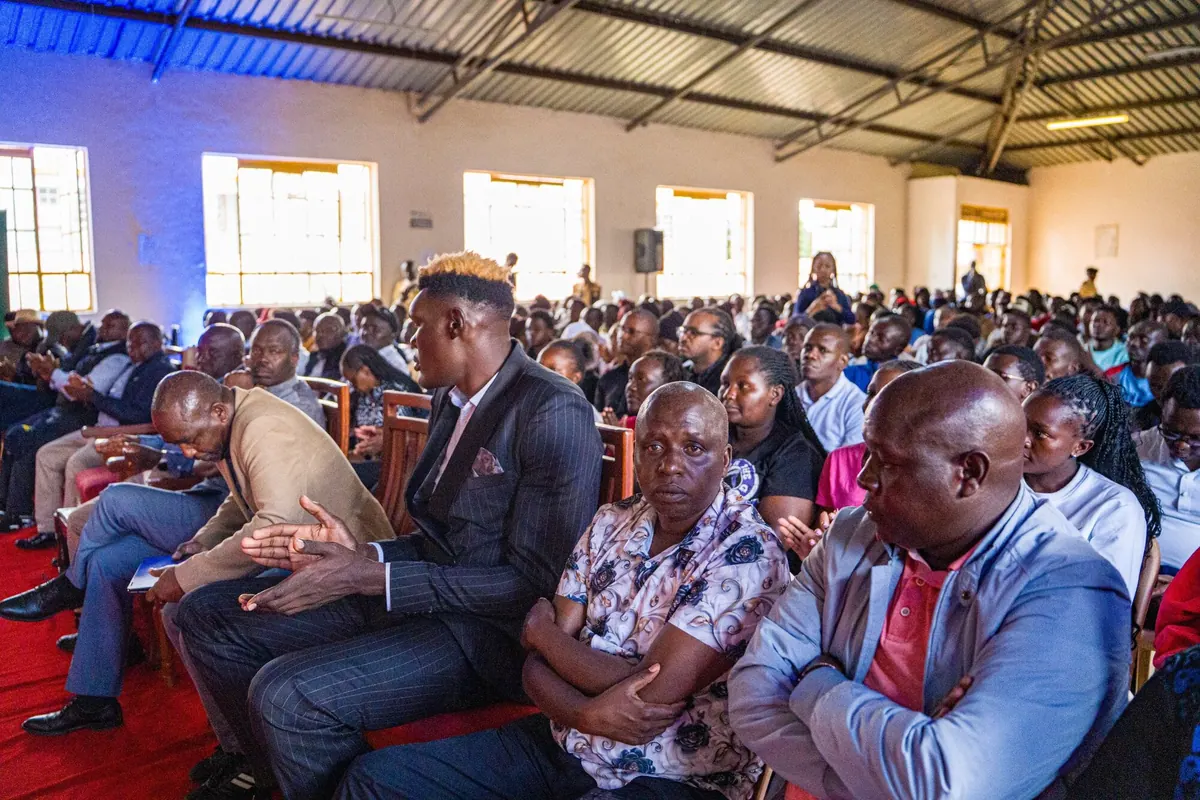
Earlier, Eng. John Kipchumba Tanui, Principal Secretary for ICT and the Digital Economy, had set out the national push for connectivity. He mentioned Peter Drury, the English football commentator. With that he pointed to a son of this very county who had turned a love of Drury’s poetic commentary into an international following. That son was in the room.
The boy who borrowed a voice
Arap Uria became famous by lip-syncing. He took some of the most dramatic football commentary ever broadcast and moved his mouth to it so convincingly that the man himself eventually took notice. It is a gloriously unlikely career and it started here, a short drive from the hall.
His presence did something no speech could. It made the whole proposition believable. The audience did not need to imagine a creator from Elgeyo Marakwet reaching the world. They could see one, sitting a few rows away.
The masterclass
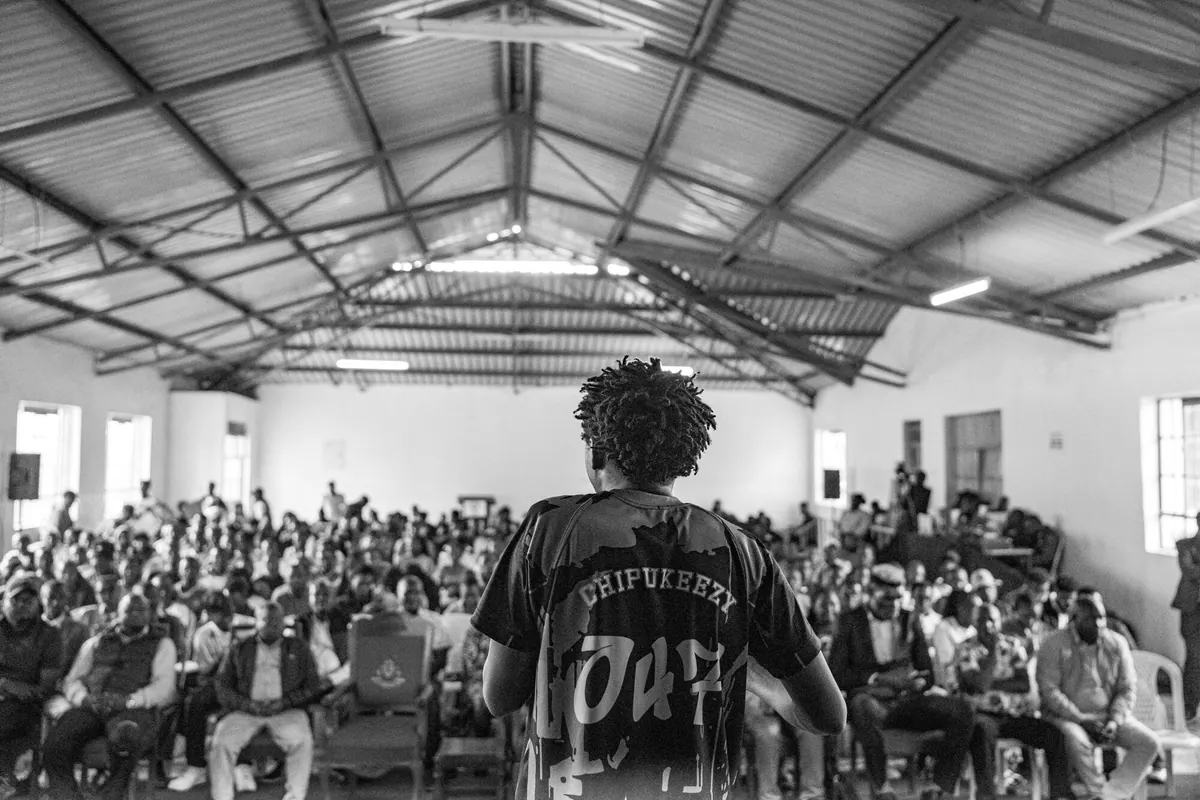
The heart of the day was seven sessions, run with an entertainer’s timing by Vincent Muasya, better known as Chipukeezy, alongside Joan C Melly. Chipukeezy worked the hall in a black jersey with his name across the back. The room responded the way rooms do to someone who has spent years on stage.
What followed was less a lecture than a series of confessions.
Festus Kiprotich, known online as Festus Kir, talked about storytelling: the hook, the expectation, the authenticity that makes a stranger keep watching.
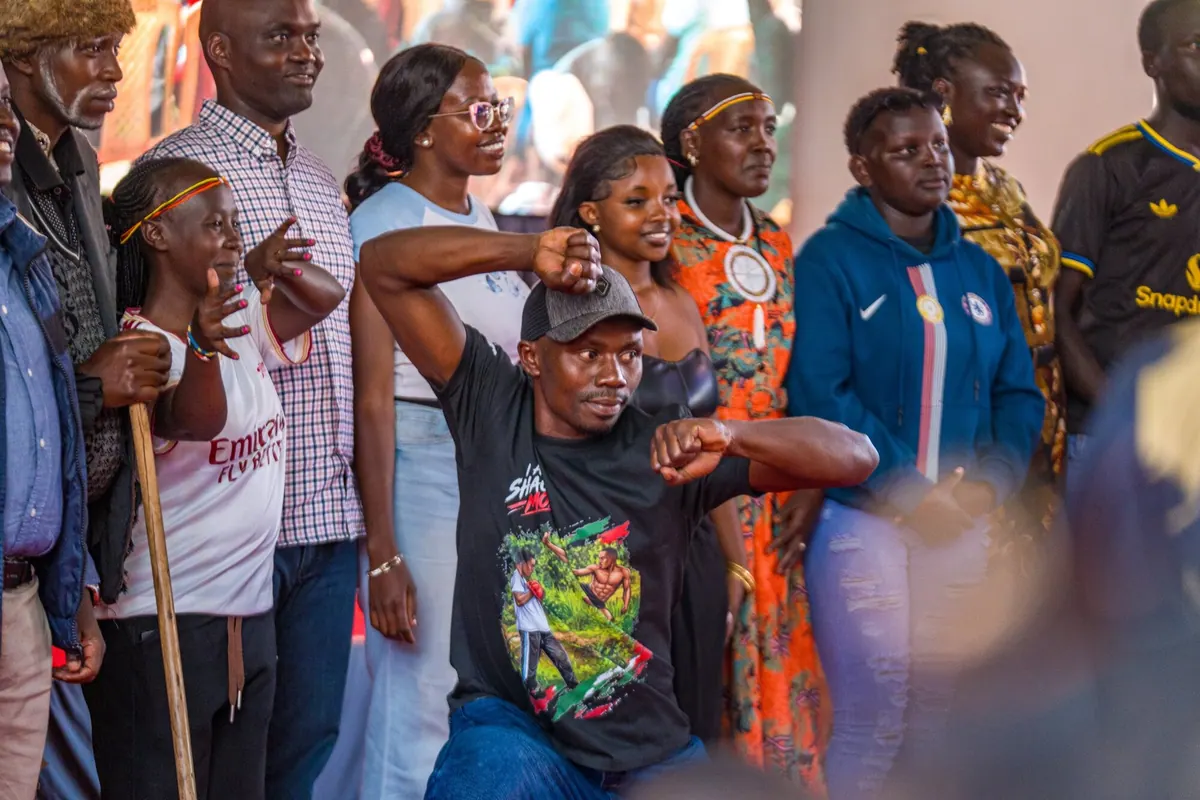
Benjamin Bieshe, the creator the internet knows as Shaolin Monk, arrived in a T-shirt bearing his own name and martial-arts image. Later he dropped into a fighting stance for the cameras. His story was the one people leaned forward for. He described a life that began on the streets and turned, through Facebook, into an income. He didn’t tell it as a fairy tale. He described years of consistency before anything paid off.
Gen Z Goliath, Bradley Marongo, needed no introduction, because he simply stood up. He became famous for being one of the tallest men in Kenya. He has spent the time since learning how to make a viral moment last. His story was a case study in exactly that.
Director Trevor talked about brand positioning with the calm of someone who has built several brands of his own. His advice: choose a niche, build an identity and have the nerve to reinvent yourself before your audience gets bored.
And Divina, a skit creator from Kisii who grew up in Dandora, told the room how collaboration took her Instagram page to around 50,000 followers in five months. She also talked about what that kind of visibility costs and about the resilience it takes to keep going when the comments turn.
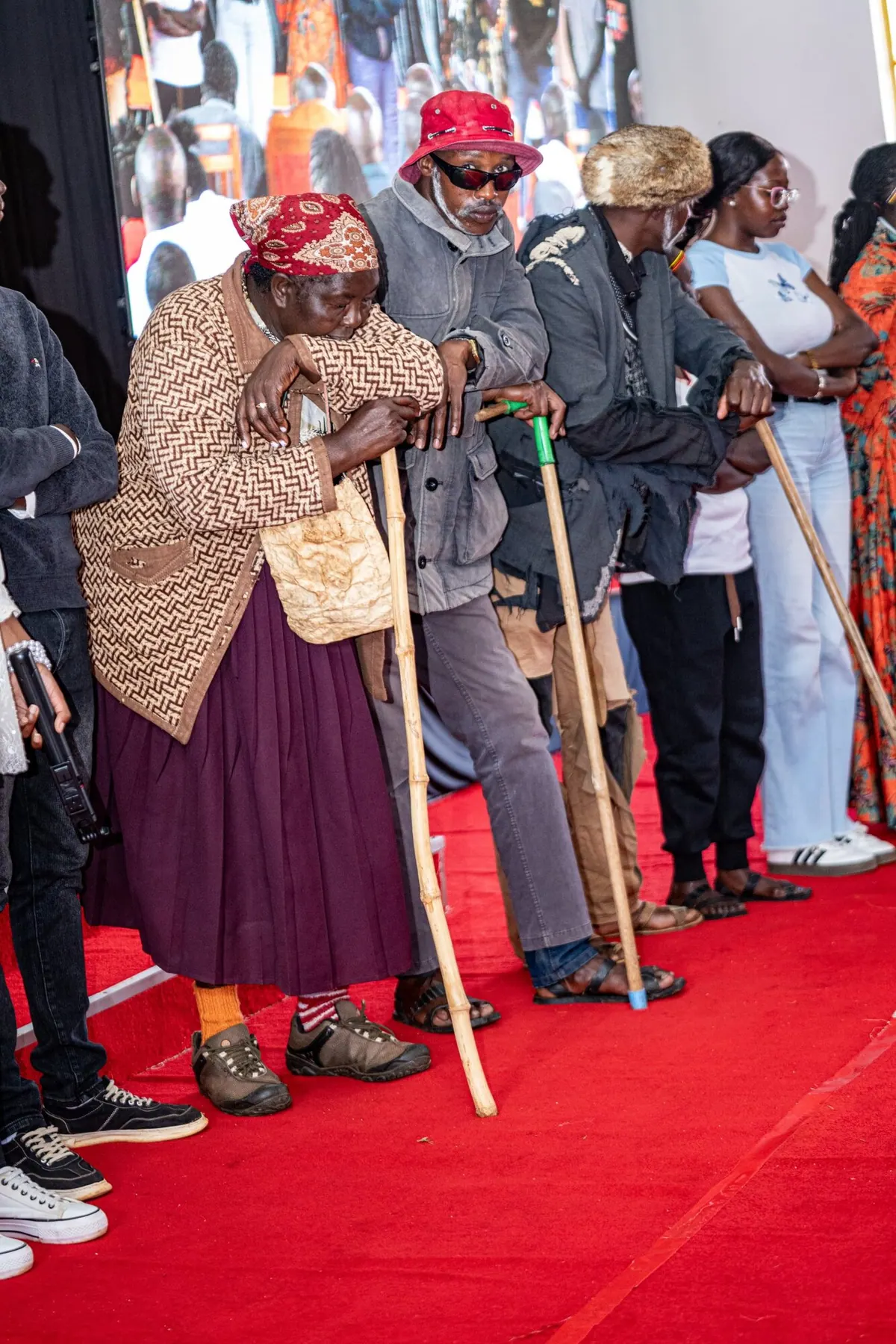


Between sessions a troupe of performers took the stage dressed as village elders, with walking sticks, a rabbit-fur hat and a pair of very serious sunglasses. They did what Kenyan skit-makers do best. The hall roared. It was a reminder that underneath all the talk of monetisation and algorithms, this is a country that loves a good story told well.
The money question
By the afternoon, the conversation turned to the thing everyone had really come to ask about: how do you actually get paid?
An industry panel moderated by Evan Gichuki brought the platforms to the stage. WasaaChat talked about earning directly from an audience. UrbanTok, a homegrown short-video platform, argued that Africa needs platforms of its own. Wowzi described how brands find creators and creators find brands.
Genesis Design Factory spoke about free studios and equipment at the GPO Digital Media Factory in Nairobi and its ambition to bring similar spaces to the counties. Teki focused on the unglamorous skills that make the rest possible.
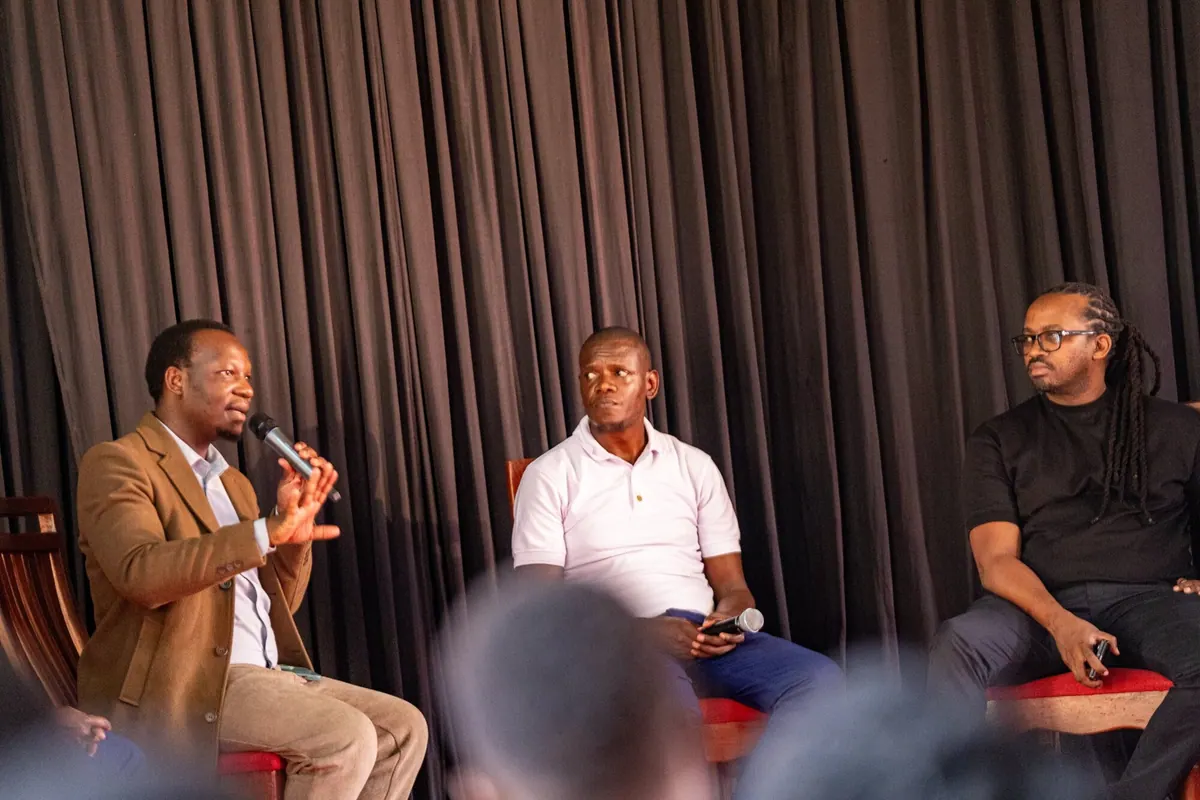
Hon. Stephen Kemboi Cheruiyot, the area MCA and Leader of Majority in the County Assembly, had already given the most honest answer of the day.
“For you to get one million views, it’s a cumulative sum of those small posts.”
There is no shortcut. In a town built on distance running, the room understood that.
The last word
The last word did not go to a governor or a celebrity. It went to Nick, a local creator who leads a group of content creators from Elgeyo Marakwet. He took the microphone and said what the whole day had been building towards:
“100 people with 10,000 followers are more powerful than one individual. So let us come together. Let us create, let us learn and let us earn.”
Iten has always known that champions are not made alone. They train in packs, through the dark early mornings, pushing each other up the hills. Its new champions, the ones with ring lights and phone tripods, seemed to have worked that out by the end of the day.
The Creator Journey continues in Tharaka Nithi County in November 2026.
The Creator Journey is a Make It Count Digital programme, in partnership with the Ministry of Information, Communications and the Digital Economy.